Buy paytaxes.eu ?
We are moving the project
paytaxes.eu .
Are you interested in purchasing the domain
paytaxes.eu ?
domain@kv-gmbh.de · 0541-91531010
Buy paytaxes.eu ?
Which tire pressure to choose?
The tire pressure you should choose depends on the manufacturer's recommendations for your specific vehicle. This information can typically be found in the owner's manual or on a sticker located on the driver's side door jamb. It is important to follow these guidelines to ensure optimal performance, fuel efficiency, and safety. Overinflated tires can lead to a harsh ride and uneven wear, while underinflated tires can decrease fuel efficiency and increase the risk of a blowout. **
Is this tire pressure okay?
To determine if the tire pressure is okay, you should refer to the recommended tire pressure listed in the owner's manual or on the sticker inside the driver's side door jamb. Use a tire pressure gauge to measure the pressure in each tire and compare it to the recommended pressure. If the measured pressure matches the recommended pressure, then the tire pressure is okay. If it is lower or higher, you should adjust the pressure accordingly. **
Similar search terms for Tire-Pressure-Gauge-PSI
Top-Angebote
Products related to Tire-Pressure-Gauge-PSI:
-
Stalwart Tire Inflator Portable Air Compressor for Car Tires 150PSI 6000mAh Cordless Air Pump with Digital Pressure GaugePORTABLE AIR PUMP FOR CAR TIRES - Quickly inflate car, pickup truck, SUV, or motorcycle tires as well as sports balls or bicycle tires with this powerful but compact portable tire inflator for car, which inflates up to 150 PSI with precision accuracy.51,83 $*Shipping: 0,00 $Secure redirect to the provider


-
Is the tire pressure too high?
To determine if the tire pressure is too high, you can check the recommended tire pressure listed on the sticker inside the driver's side door jamb or in the owner's manual. If the tire pressure exceeds this recommended level, then it is too high. Additionally, you can visually inspect the tires to see if they appear overinflated, such as bulging or looking excessively round. Finally, driving with overinflated tires can lead to reduced traction, uneven tire wear, and a harsher ride, so it's important to adjust the pressure accordingly. **
-
Does the tire pressure change constantly?
Yes, tire pressure can change constantly due to various factors such as temperature fluctuations, driving conditions, and the age of the tire. For example, tire pressure tends to increase as the tires heat up during driving, and decrease as they cool down. It is important to regularly check and adjust tire pressure to ensure optimal performance, safety, and fuel efficiency. **
-
What is the optimal tire pressure?
The optimal tire pressure for a vehicle can typically be found in the owner's manual or on a sticker located on the driver's side door jamb. It is important to follow the manufacturer's recommended tire pressure to ensure optimal performance, fuel efficiency, and safety. Driving with underinflated or overinflated tires can lead to uneven wear, reduced traction, and decreased fuel efficiency. Regularly checking and maintaining the correct tire pressure is essential for safe and efficient driving. **
-
Which pressure gauge is relevant for the heating system?
The relevant pressure gauge for a heating system is the boiler pressure gauge. This gauge measures the pressure inside the boiler and ensures that it is operating within the safe and efficient range. Monitoring the boiler pressure is important for maintaining the proper functioning of the heating system and preventing potential damage or malfunctions. It is essential to regularly check and adjust the boiler pressure to ensure the heating system operates effectively. **
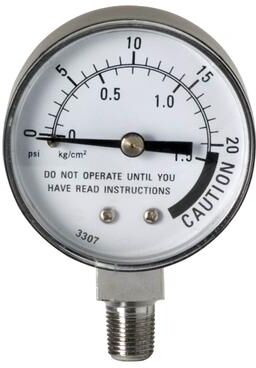

How do I set up my air pressure gauge?
To set up your air pressure gauge, first ensure that the gauge is calibrated to zero. Then, attach the gauge to the valve stem of the tire and press firmly to create a seal. The gauge will then display the current air pressure reading. If the reading is lower than the recommended pressure for your tire, use an air compressor to add air until the correct pressure is reached. If the reading is higher than the recommended pressure, use a tire pressure gauge with a pressure release valve to release air until the correct pressure is reached. **
How much bar tire pressure should be in a bicycle tire?
The recommended bar tire pressure for a bicycle tire can vary depending on the type of tire and the rider's weight. However, a general guideline is to have a tire pressure of around 2.5 to 3.5 bars (35-50 psi) for a standard road bike tire. It's important to check the tire sidewall for the recommended pressure range and adjust it based on your weight and riding conditions for optimal performance and safety. Over-inflating or under-inflating the tire can affect the bike's handling and increase the risk of punctures or blowouts. **
Top-Angebote
Products related to Tire-Pressure-Gauge-PSI:
-
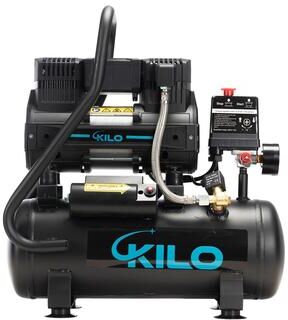
2 Gallon Oil Free Air Compressor, 1.0HP, Max.115 PSI Pressure, 65dB Ultra Quiet Compressor for Auto Repair, Tire InflationProduct Features: Voltage: 110 volt, 60Hz, Oil Free Air Compressor 2.0 Gallon Air Compressor Noise Level: 65 dB Ultra Quiet Compressor Recommended Uses: For Auto Repair, Tire Inflation, Spray Painting, Woodwork Nailing Max Pressure: 8 Bar...196,99 $*Shipping: 0,00 $Secure redirect to the provider
-
Stalwart Tire Inflator Portable Air Compressor for Car Tires 150PSI 6000mAh Cordless Air Pump with Digital Pressure GaugePORTABLE AIR PUMP FOR CAR TIRES - Quickly inflate car, pickup truck, SUV, or motorcycle tires as well as sports balls or bicycle tires with this powerful but compact portable tire inflator for car, which inflates up to 150 PSI with precision accuracy.51,83 $*Shipping: 0,00 $Secure redirect to the provider
-
Which tire pressure to choose?
The tire pressure you should choose depends on the manufacturer's recommendations for your specific vehicle. This information can typically be found in the owner's manual or on a sticker located on the driver's side door jamb. It is important to follow these guidelines to ensure optimal performance, fuel efficiency, and safety. Overinflated tires can lead to a harsh ride and uneven wear, while underinflated tires can decrease fuel efficiency and increase the risk of a blowout. **
-
Is this tire pressure okay?
To determine if the tire pressure is okay, you should refer to the recommended tire pressure listed in the owner's manual or on the sticker inside the driver's side door jamb. Use a tire pressure gauge to measure the pressure in each tire and compare it to the recommended pressure. If the measured pressure matches the recommended pressure, then the tire pressure is okay. If it is lower or higher, you should adjust the pressure accordingly. **
-
Is the tire pressure too high?
To determine if the tire pressure is too high, you can check the recommended tire pressure listed on the sticker inside the driver's side door jamb or in the owner's manual. If the tire pressure exceeds this recommended level, then it is too high. Additionally, you can visually inspect the tires to see if they appear overinflated, such as bulging or looking excessively round. Finally, driving with overinflated tires can lead to reduced traction, uneven tire wear, and a harsher ride, so it's important to adjust the pressure accordingly. **
-
Does the tire pressure change constantly?
Yes, tire pressure can change constantly due to various factors such as temperature fluctuations, driving conditions, and the age of the tire. For example, tire pressure tends to increase as the tires heat up during driving, and decrease as they cool down. It is important to regularly check and adjust tire pressure to ensure optimal performance, safety, and fuel efficiency. **
Similar search terms for Tire-Pressure-Gauge-PSI
-
Presto 85771 Pressure Canner Steam GaugeSteam gauge Used for all Presto canners manufactured prior to January 1978 Replaces parts 82057, 99605, 99628 Replaces presto 82087 gauge Fits Presto Pressure canner models 01/CA16A, 01/CA16H, 01/CA21A, 01/C30,01 $*Shipping: 0,00 $Secure redirect to the provider
-
Bullseye Pro Red Tire Inflator Electric Air Compressor Portable 150 PSI 12V DC with LED Light Auto Shut OffThe Bullseye Pro Tire Inflator Electric Air Compressor is a portable 150 PSI air pump designed for fast, accurate, and reliable inflation at home or on the road.79,99 $*Shipping: 0,00 $Secure redirect to the provider
-
What is the optimal tire pressure?
The optimal tire pressure for a vehicle can typically be found in the owner's manual or on a sticker located on the driver's side door jamb. It is important to follow the manufacturer's recommended tire pressure to ensure optimal performance, fuel efficiency, and safety. Driving with underinflated or overinflated tires can lead to uneven wear, reduced traction, and decreased fuel efficiency. Regularly checking and maintaining the correct tire pressure is essential for safe and efficient driving. **
-
Which pressure gauge is relevant for the heating system?
The relevant pressure gauge for a heating system is the boiler pressure gauge. This gauge measures the pressure inside the boiler and ensures that it is operating within the safe and efficient range. Monitoring the boiler pressure is important for maintaining the proper functioning of the heating system and preventing potential damage or malfunctions. It is essential to regularly check and adjust the boiler pressure to ensure the heating system operates effectively. **
-
How do I set up my air pressure gauge?
To set up your air pressure gauge, first ensure that the gauge is calibrated to zero. Then, attach the gauge to the valve stem of the tire and press firmly to create a seal. The gauge will then display the current air pressure reading. If the reading is lower than the recommended pressure for your tire, use an air compressor to add air until the correct pressure is reached. If the reading is higher than the recommended pressure, use a tire pressure gauge with a pressure release valve to release air until the correct pressure is reached. **
-
How much bar tire pressure should be in a bicycle tire?
The recommended bar tire pressure for a bicycle tire can vary depending on the type of tire and the rider's weight. However, a general guideline is to have a tire pressure of around 2.5 to 3.5 bars (35-50 psi) for a standard road bike tire. It's important to check the tire sidewall for the recommended pressure range and adjust it based on your weight and riding conditions for optimal performance and safety. Over-inflating or under-inflating the tire can affect the bike's handling and increase the risk of punctures or blowouts. **
* All prices are inclusive of VAT and, if applicable, plus shipping costs. The offer information is based on the details provided by the respective shop and is updated through automated processes. Real-time updates do not occur, so deviations can occur in individual cases. ** Note: Parts of this content were created by AI.