Buy paytaxes.eu ?
We are moving the project
paytaxes.eu .
Are you interested in purchasing the domain
paytaxes.eu ?
domain@kv-gmbh.de · 0541-91531010
Buy paytaxes.eu ?
What is a Universal Aqua Stop hose?
A Universal Aqua Stop hose is a type of garden hose that is designed to automatically stop the flow of water when the hose is disconnected from the water source. This feature helps to prevent water wastage and makes it easier to change attachments or move the hose around without having to turn off the water supply. Universal Aqua Stop hoses are compatible with most standard hose fittings and are a convenient and efficient option for watering plants and gardens. **
Is the vacuum cleaner hose clogged?
To determine if the vacuum cleaner hose is clogged, you can perform a few simple checks. First, detach the hose from the vacuum and visually inspect it for any visible blockages. Next, try running a broom handle or long, flexible object through the hose to dislodge any potential clogs. If the hose still seems restricted, try running the vacuum without the hose attached to see if the suction improves. If the suction is stronger without the hose, it is likely that the hose is clogged and will need to be cleared. **
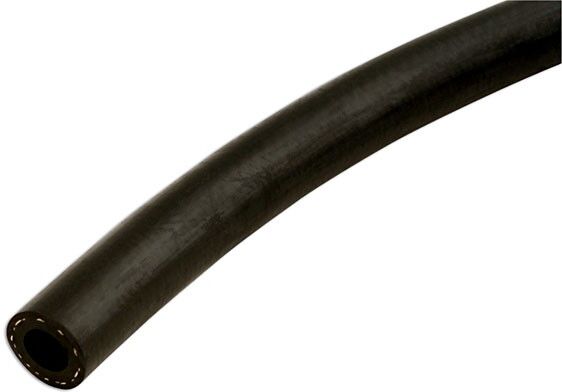

Similar search terms for Universal-Pool-Vacuum-Hose
Top-Angebote
Products related to Universal-Pool-Vacuum-Hose:
-
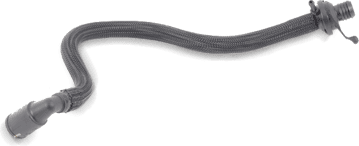
AIC 75077 Brake vacuum hoseValve Type: Non-Return Valve; Left-/right-hand drive vehicles: for left-hand drive vehicles; Guarantee: 5 years guarantee or up to 75,000km; TecDoc Engine Number: 4978, 10747; Vehicle Identification Number (VIN) to: F 70-2H036 072, F 70-2X053 84540,99 £*Shipping: 8,45 £Secure redirect to the provider


-
How can I unclog the vacuum cleaner hose?
To unclog a vacuum cleaner hose, you can start by using a broomstick or a long, flexible object to push the clog out from the opposite end of the hose. You can also try using a plumbing snake or a straightened wire hanger to dislodge the clog. Another method is to detach the hose from the vacuum and run water through it to flush out the debris. If the clog is particularly stubborn, you may need to use a combination of these methods or seek professional help. **
-
Why does the vacuum cleaner hose always bend?
The vacuum cleaner hose always bends because it is made of flexible material that allows it to maneuver around furniture and other obstacles. The bending of the hose also helps to create suction and airflow, which is essential for the vacuum cleaner to effectively pick up dirt and debris. Additionally, the bending of the hose allows for easier storage and maneuverability when using the vacuum cleaner. **
-
How can you extend the vacuum cleaner hose?
To extend the vacuum cleaner hose, you can use a hose extension attachment that is designed to connect to the existing hose and provide additional length. Another option is to use a universal adapter to connect two hoses together, effectively extending the reach of the vacuum cleaner. Additionally, some vacuum cleaners come with a telescoping wand that allows you to adjust the length of the hose to reach high or difficult-to-access areas. **
-
Which adhesive is suitable for the vacuum cleaner hose?
For the vacuum cleaner hose, a strong adhesive that can withstand the suction and movement of the hose is recommended. A high-quality epoxy adhesive or a specialized rubber adhesive designed for flexible materials like hoses would be suitable for this application. It is important to ensure that the adhesive is heat-resistant and flexible to maintain the functionality and durability of the vacuum cleaner hose. **


What can be used to glue the vacuum cleaner hose?
A strong adhesive such as epoxy or super glue can be used to glue the vacuum cleaner hose. It is important to ensure that the adhesive is compatible with the materials of the hose and that it is able to withstand the suction and pressure of the vacuum. Additionally, it is important to clean and dry the surfaces to be glued before applying the adhesive to ensure a strong bond. **
How do I remove blockages in the vacuum cleaner hose?
To remove blockages in the vacuum cleaner hose, you can start by using a long, flexible object such as a broom handle or a plumbing snake to gently push the blockage through the hose. You can also try using a combination of suction and a plunger to dislodge the blockage. If the blockage is particularly stubborn, you can try using a mixture of hot water and vinegar to break it down. Additionally, you can use a wire hanger to carefully remove any debris that may be stuck in the hose. **
Top-Angebote
Products related to Universal-Pool-Vacuum-Hose:
-
What is a Universal Aqua Stop hose?
A Universal Aqua Stop hose is a type of garden hose that is designed to automatically stop the flow of water when the hose is disconnected from the water source. This feature helps to prevent water wastage and makes it easier to change attachments or move the hose around without having to turn off the water supply. Universal Aqua Stop hoses are compatible with most standard hose fittings and are a convenient and efficient option for watering plants and gardens. **
-
Is the vacuum cleaner hose clogged?
To determine if the vacuum cleaner hose is clogged, you can perform a few simple checks. First, detach the hose from the vacuum and visually inspect it for any visible blockages. Next, try running a broom handle or long, flexible object through the hose to dislodge any potential clogs. If the hose still seems restricted, try running the vacuum without the hose attached to see if the suction improves. If the suction is stronger without the hose, it is likely that the hose is clogged and will need to be cleared. **
-
How can I unclog the vacuum cleaner hose?
To unclog a vacuum cleaner hose, you can start by using a broomstick or a long, flexible object to push the clog out from the opposite end of the hose. You can also try using a plumbing snake or a straightened wire hanger to dislodge the clog. Another method is to detach the hose from the vacuum and run water through it to flush out the debris. If the clog is particularly stubborn, you may need to use a combination of these methods or seek professional help. **
-
Why does the vacuum cleaner hose always bend?
The vacuum cleaner hose always bends because it is made of flexible material that allows it to maneuver around furniture and other obstacles. The bending of the hose also helps to create suction and airflow, which is essential for the vacuum cleaner to effectively pick up dirt and debris. Additionally, the bending of the hose allows for easier storage and maneuverability when using the vacuum cleaner. **
Similar search terms for Universal-Pool-Vacuum-Hose
-
AIC 75077 Brake vacuum hoseValve Type: Non-Return Valve; Left-/right-hand drive vehicles: for left-hand drive vehicles; Guarantee: 5 years guarantee or up to 75,000km; TecDoc Engine Number: 4978, 10747; Vehicle Identification Number (VIN) to: F 70-2H036 072, F 70-2X053 84540,99 £*Shipping: 8,45 £Secure redirect to the provider
-
How can you extend the vacuum cleaner hose?
To extend the vacuum cleaner hose, you can use a hose extension attachment that is designed to connect to the existing hose and provide additional length. Another option is to use a universal adapter to connect two hoses together, effectively extending the reach of the vacuum cleaner. Additionally, some vacuum cleaners come with a telescoping wand that allows you to adjust the length of the hose to reach high or difficult-to-access areas. **
-
Which adhesive is suitable for the vacuum cleaner hose?
For the vacuum cleaner hose, a strong adhesive that can withstand the suction and movement of the hose is recommended. A high-quality epoxy adhesive or a specialized rubber adhesive designed for flexible materials like hoses would be suitable for this application. It is important to ensure that the adhesive is heat-resistant and flexible to maintain the functionality and durability of the vacuum cleaner hose. **
-
What can be used to glue the vacuum cleaner hose?
A strong adhesive such as epoxy or super glue can be used to glue the vacuum cleaner hose. It is important to ensure that the adhesive is compatible with the materials of the hose and that it is able to withstand the suction and pressure of the vacuum. Additionally, it is important to clean and dry the surfaces to be glued before applying the adhesive to ensure a strong bond. **
-
How do I remove blockages in the vacuum cleaner hose?
To remove blockages in the vacuum cleaner hose, you can start by using a long, flexible object such as a broom handle or a plumbing snake to gently push the blockage through the hose. You can also try using a combination of suction and a plunger to dislodge the blockage. If the blockage is particularly stubborn, you can try using a mixture of hot water and vinegar to break it down. Additionally, you can use a wire hanger to carefully remove any debris that may be stuck in the hose. **
* All prices are inclusive of VAT and, if applicable, plus shipping costs. The offer information is based on the details provided by the respective shop and is updated through automated processes. Real-time updates do not occur, so deviations can occur in individual cases. ** Note: Parts of this content were created by AI.