Buy paytaxes.eu ?
We are moving the project
paytaxes.eu .
Are you interested in purchasing the domain
paytaxes.eu ?
domain@kv-gmbh.de · 0541-91531010
Buy paytaxes.eu ?
'Meat or no meat?'
The decision to eat meat or not is a personal choice that depends on individual beliefs, values, and dietary preferences. Some people choose to eat meat for its nutritional benefits, while others opt for a vegetarian or vegan diet for ethical, environmental, or health reasons. It's important to consider the impact of meat consumption on animal welfare, the environment, and personal health when making this decision. Ultimately, the choice of whether to eat meat or not is a personal one that should be made based on careful consideration of these factors. **
Where can I source self-slaughtered meat from?
Self-slaughtered meat can be sourced from local farms or ranches where individuals are allowed to slaughter their own animals for personal consumption. Some small-scale farmers may also offer the option for individuals to participate in the slaughter process under their supervision. It's important to ensure that the slaughter is done in a humane and legal manner, and to follow all local regulations and guidelines for self-slaughtering animals. Additionally, it's crucial to have the necessary knowledge and skills to safely and effectively slaughter an animal for meat. **
Similar search terms for Meat
Top-Angebote
Products related to Meat:
-
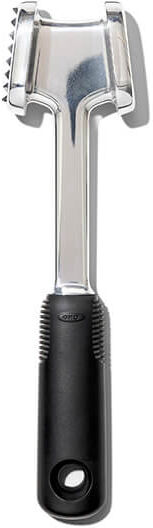
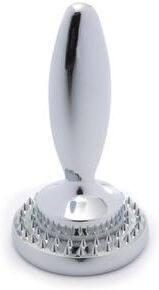
OXO Good Grips Meat TenderiserUpgrade your kitchen toolkit with the OXO Good Grips Meat Tenderiser, a durable die‑cast mallet built to deliver efficient, consistent results. Designed with two functional sides, it gives you the control to prep a wide range of proteins with ease. The textured, pyramid‑tooth surface helps loosen tough muscle fibres, allowing marinades to penetrate more effectively and improving tenderness. Flip to the smooth face to create even thickness in chicken, pork, or beef, supporting quicker, more uniform cooking. Thoughtfully balanced, the weighted head provides powerful impact without requiring extra effort, while the signature OXO soft, non‑slip handle keeps your grip secure—even with wet hands. Crafted from robust die‑cast aluminium, this tool is made to withstand regular use and remain a reliable part of your food‑prep routine.15,30 £*Shipping: 3,50 £Secure redirect to the provider


-
How long is self-dried meat shelf-stable?
Self-dried meat, such as beef jerky, can be shelf-stable for several weeks to a few months if stored properly. The shelf life of self-dried meat depends on factors such as the moisture content, the presence of preservatives, and the storage conditions. It is important to store self-dried meat in an airtight container in a cool, dry place to maximize its shelf life. Additionally, vacuum-sealing the meat can help extend its shelf stability. **
-
Wild meat or regular meat?
It's important to consider the ethical and environmental implications of consuming wild meat versus regular meat. Wild meat, such as game animals, can be a more sustainable and natural option as it is often hunted in a way that supports local ecosystems and wildlife populations. However, regular meat from domesticated animals can be more readily available and may be produced in a more controlled and regulated manner. Ultimately, the choice between wild meat and regular meat depends on individual preferences, ethical considerations, and access to sustainable sources. **
-
Does meat substitute really replace meat?
Meat substitutes can provide a similar texture and taste to meat, making them a viable option for those looking to reduce their meat consumption. However, they may not fully replace the nutritional benefits of meat, as they may lack certain essential nutrients such as complete proteins, iron, and vitamin B12. Additionally, the environmental and ethical implications of meat production are not fully addressed by meat substitutes. While they can be a helpful alternative for some, it's important to consider the overall impact and nutritional value when choosing between meat and meat substitutes. **
-
Should vegan/vegetarian meat be called meat?
The term "meat" traditionally refers to the flesh of animals, so some argue that vegan/vegetarian alternatives should not be labeled as such. However, using the term "meat" for plant-based products helps consumers understand their purpose as substitutes for traditional meat. As long as the labeling is clear and transparent about the ingredients, it can be a helpful way to market these products to a wider audience. Ultimately, the decision on labeling should prioritize consumer understanding and transparency. **

Are there meat scraps in meat salad?
Meat salad typically does not contain meat scraps. Instead, it is usually made with high-quality cuts of meat, such as grilled chicken, steak, or turkey. These meats are typically sliced or diced and then mixed with fresh vegetables, herbs, and a dressing to create a flavorful and satisfying salad. The use of high-quality meat ensures that the salad is both delicious and safe to eat. **
Should one call vegan/vegetarian meat "meat"?
The term "meat" traditionally refers to the flesh of animals, so using it to describe plant-based products can be misleading. To avoid confusion and accurately represent the nature of the product, it may be more appropriate to use terms like "plant-based protein" or "meat alternative" to describe vegan/vegetarian meat. This can help consumers make informed choices and understand the differences between animal-derived and plant-based products. **
Top-Angebote
Products related to Meat:
-
OXO Good Grips Meat TenderiserUpgrade your kitchen toolkit with the OXO Good Grips Meat Tenderiser, a durable die‑cast mallet built to deliver efficient, consistent results. Designed with two functional sides, it gives you the control to prep a wide range of proteins with ease. The textured, pyramid‑tooth surface helps loosen tough muscle fibres, allowing marinades to penetrate more effectively and improving tenderness. Flip to the smooth face to create even thickness in chicken, pork, or beef, supporting quicker, more uniform cooking. Thoughtfully balanced, the weighted head provides powerful impact without requiring extra effort, while the signature OXO soft, non‑slip handle keeps your grip secure—even with wet hands. Crafted from robust die‑cast aluminium, this tool is made to withstand regular use and remain a reliable part of your food‑prep routine.15,30 £*Shipping: 3,50 £Secure redirect to the provider
-
'Meat or no meat?'
The decision to eat meat or not is a personal choice that depends on individual beliefs, values, and dietary preferences. Some people choose to eat meat for its nutritional benefits, while others opt for a vegetarian or vegan diet for ethical, environmental, or health reasons. It's important to consider the impact of meat consumption on animal welfare, the environment, and personal health when making this decision. Ultimately, the choice of whether to eat meat or not is a personal one that should be made based on careful consideration of these factors. **
-
Where can I source self-slaughtered meat from?
Self-slaughtered meat can be sourced from local farms or ranches where individuals are allowed to slaughter their own animals for personal consumption. Some small-scale farmers may also offer the option for individuals to participate in the slaughter process under their supervision. It's important to ensure that the slaughter is done in a humane and legal manner, and to follow all local regulations and guidelines for self-slaughtering animals. Additionally, it's crucial to have the necessary knowledge and skills to safely and effectively slaughter an animal for meat. **
-
How long is self-dried meat shelf-stable?
Self-dried meat, such as beef jerky, can be shelf-stable for several weeks to a few months if stored properly. The shelf life of self-dried meat depends on factors such as the moisture content, the presence of preservatives, and the storage conditions. It is important to store self-dried meat in an airtight container in a cool, dry place to maximize its shelf life. Additionally, vacuum-sealing the meat can help extend its shelf stability. **
-
Wild meat or regular meat?
It's important to consider the ethical and environmental implications of consuming wild meat versus regular meat. Wild meat, such as game animals, can be a more sustainable and natural option as it is often hunted in a way that supports local ecosystems and wildlife populations. However, regular meat from domesticated animals can be more readily available and may be produced in a more controlled and regulated manner. Ultimately, the choice between wild meat and regular meat depends on individual preferences, ethical considerations, and access to sustainable sources. **
Similar search terms for Meat
-
Household Essentials Reversible Dual Use Meat TenderizerAdd the Reversible Meat Tenderizer to any kitchen for a professional upgrade in both style and function. Designed with a sleek ergonomic handle, this tenderizer offers superior leverage and comfort.28,34 $*Shipping: 0,00 $Secure redirect to the provider
-
Does meat substitute really replace meat?
Meat substitutes can provide a similar texture and taste to meat, making them a viable option for those looking to reduce their meat consumption. However, they may not fully replace the nutritional benefits of meat, as they may lack certain essential nutrients such as complete proteins, iron, and vitamin B12. Additionally, the environmental and ethical implications of meat production are not fully addressed by meat substitutes. While they can be a helpful alternative for some, it's important to consider the overall impact and nutritional value when choosing between meat and meat substitutes. **
-
Should vegan/vegetarian meat be called meat?
The term "meat" traditionally refers to the flesh of animals, so some argue that vegan/vegetarian alternatives should not be labeled as such. However, using the term "meat" for plant-based products helps consumers understand their purpose as substitutes for traditional meat. As long as the labeling is clear and transparent about the ingredients, it can be a helpful way to market these products to a wider audience. Ultimately, the decision on labeling should prioritize consumer understanding and transparency. **
-
Are there meat scraps in meat salad?
Meat salad typically does not contain meat scraps. Instead, it is usually made with high-quality cuts of meat, such as grilled chicken, steak, or turkey. These meats are typically sliced or diced and then mixed with fresh vegetables, herbs, and a dressing to create a flavorful and satisfying salad. The use of high-quality meat ensures that the salad is both delicious and safe to eat. **
-
Should one call vegan/vegetarian meat "meat"?
The term "meat" traditionally refers to the flesh of animals, so using it to describe plant-based products can be misleading. To avoid confusion and accurately represent the nature of the product, it may be more appropriate to use terms like "plant-based protein" or "meat alternative" to describe vegan/vegetarian meat. This can help consumers make informed choices and understand the differences between animal-derived and plant-based products. **
* All prices are inclusive of VAT and, if applicable, plus shipping costs. The offer information is based on the details provided by the respective shop and is updated through automated processes. Real-time updates do not occur, so deviations can occur in individual cases. ** Note: Parts of this content were created by AI.