Buy paytaxes.eu ?
We are moving the project
paytaxes.eu .
Are you interested in purchasing the domain
paytaxes.eu ?
domain@kv-gmbh.de · 0541-91531010
Buy paytaxes.eu ?
What are income statement accounts?
Income statement accounts are a category of accounts in a company's financial records that track revenues, expenses, gains, and losses over a specific period. These accounts provide a summary of the company's financial performance during that time frame, showing whether the company has generated a profit or incurred a loss. Examples of income statement accounts include sales revenue, cost of goods sold, operating expenses, interest income, and other income or expenses. **
What are asset and income statement accounts?
Asset and income statement accounts are two types of accounts used in accounting to track a company's financial transactions. Asset accounts represent the resources owned by the company, such as cash, inventory, and equipment. Income statement accounts, on the other hand, track the company's revenues, expenses, and net income over a specific period of time. These accounts are essential for understanding a company's financial position and performance. **
Similar search terms for Accounts
Top-Angebote
Products related to Accounts:
-
HMRC Series By Juno Dawson 3 Books Collection Set - Fiction - Paperback HarperCollins PublishersTitles in this set: 1. Her Majesty’s Royal Coven 2. The Shadow Cabinet 3. Queen B Description: Her Majesty’s Royal Coven This Is One Government Department You Don’t Want To Mess With. Hidden among us is a secret coven of witches. Know has Her Majesty’s Royal Coven,they protect the crown and country from magical forces and otherworldly evil. But their greatest enemy will come from within… There are whisperings of a prophecy that will bring the coven to its knees, and four best friends are about to be caught at the centre. Life as a modern witch was never simple … but now it’s about to get apocalyptic. The Shadow Cabinet All is not as it seems within the halls of Her Majesty’s Royal Coven… Despite thinking they’ve thwarted the prophecy, the witches are still reeling from the events of the past few months. Ciara now occupies her twin sister’s body as she prepares to take on the role of High Priestess. But why are the sinister government agents of the Shadow Cabinet so invested in her coronation? And then there’s the small matter of Dabney Hale: freshly escaped from Grierlings prison, he’s on the hunt for a mythical object that will give him unimaginable power. Leonie’s brother is on the trail, but doesn’t know the danger he now faces, and so she sets off to bring him home and bring Hale to justice. Meanwhile, Theo and Holly are left to their own devices. Theo to work out how her miraculous transformation took place and Holly to discover what’s going on with her mum and dad. Elle’s Instagram-perfect world is about to come crashing down in the most terrifying way. Queen B It’s 1536 and the Queen has been beheaded. Lady Grace Fairfax, witch, knows that something foul is at play – that someone had betrayed Anne Boleyn and her coven. Wild with the loss of their leader – and her lover, a secret that if spilled could spell Grace’s own end – she will do anything in her power to track down the traitor. But there’s more at stake than revenge: it was one of their own, a witch, that betrayed them, and Grace isn’t the only one looking for her. King Henry VIII has sent witchfinders after them, and they’re organized like they’ve never been before under his new advisor, the impassioned Sir Ambrose Fulke, a cold man blinded by his faith. His cruel reign could mean the end of witchkind itself. If Grace wants to find her revenge and live, she will have to do more than disappear. She will have to be reborn. In this gripping, propulsive, sultry novella, Juno Dawson takes us back to the bloody beginnings of Her Majesty’s Royal Coven to show us the strength, steel and sacrifice it takes to make a sisterhood. Feature Specification Author Juno Dawson Books Included Her Majesty's Royal Coven, The Shadow Cabinet, Future Perfect Format Paperback Collection Target Audience Adult / New Adult (Ages 16+) Publisher Harper Voyager (HarperCollins) Genre Contemporary Fantasy / Urban Fantasy Key Themes Witchcraft, Sisterhood, British Politics, LGBTQ+ Identity 2026 Context Established...22,99 £*Shipping: 2,99 £Secure redirect to the provider
-
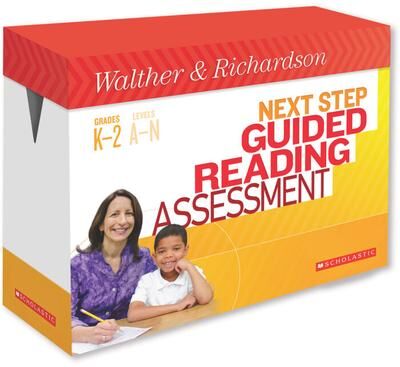
Scholastic Next Step Guided Reading Assessment, K-2Developed by leading literacy experts Jan Richardson, Ph.D., and Maria Walther, Ed.D., Next Step Guided Reading Assessment uses Richardson's proven Assess-Decide-Guide teaching system to pinpoint students' reading level and target instructional next...489,00 $*Shipping: 0,00 $Secure redirect to the provider
-
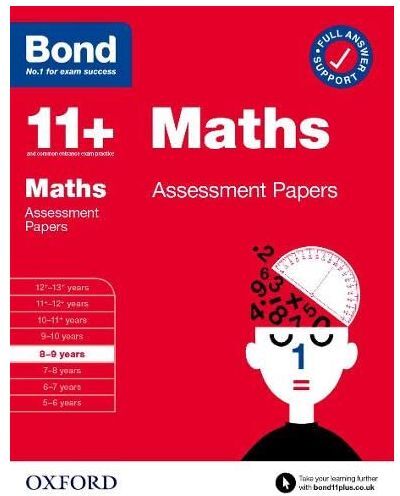
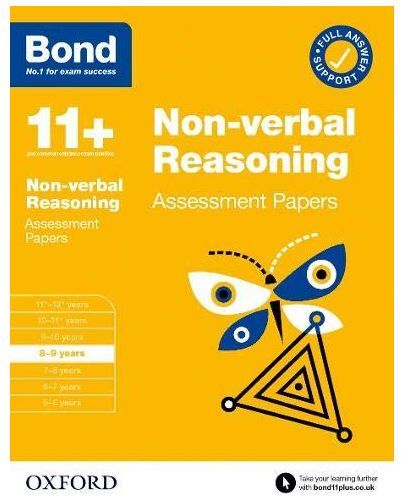
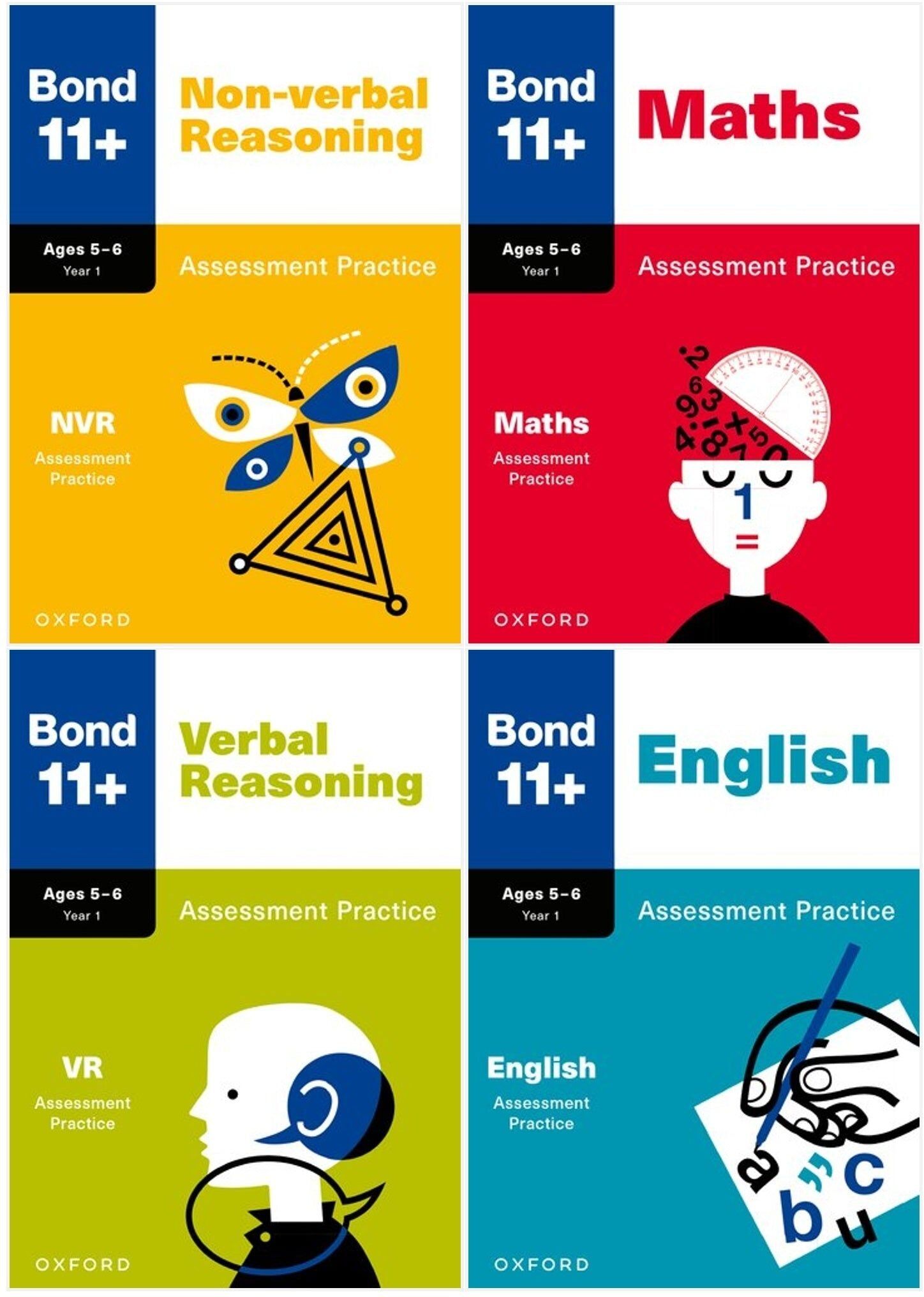
OXFORD UNIVERSITY PRESS Bond 11+ Maths English Verbal Non-Verbal Reasoning Assessment Practice 5-6 years 4 Books Set (Bond Assessment Papers)Bond 11+ English; Maths; Non-verbal Reasoning; Verbal Reasoning Assessment Practice 4 Books Set (Age 5-6) The pack includes the following 4 books (Bond 11 Plus books) Bond 11+ Maths Assessment Practice Ages 5-6 Bond Maths Assessment Practice for 5-6 years are topic-based practice questions that set the foundation for success in SATs; common entrance or 11+ exams. They have been written to cover the core National Curriculum skills and cover the question types used in 11+ exams; building the skills and confidence for exam success. Bond 11+ English Assessment Practice Ages 5-6 Bond English Assessment Practice for 5-6 years are topic-based practice questions that set the foundation for success in SATs; common entrance or 11+ exams. They have been written to cover the core National Curriculum skills and cover the question types used in 11+ exams; building the skills and confidence for exam success Bond 11+ Verbal Reasoning Assessment Practice Ages 5-6 Bond Verbal Reasoning Assessment Practice for 5-6 years introduces children to verbal reasoning problem-solving skills; encouraging thinking skills and providing early preparation for Common Entrance and 11+ exams. Bond 11+ Non-Verbal Reasoning Assessment Practice Ages 5-6 Bond Non-verbal Reasoning Assessment Practice for 5-6 years introduces children to non-verbal reasoning problem-solving skills; encouraging thinking skills and providing early preparation for Common Entrance and 11+ exams.14,40 £*Shipping: 2,99 £Secure redirect to the provider

-
When do you post to the income statement accounts and when to the balance sheet accounts?
Transactions that affect revenues and expenses are posted to the income statement accounts. These include items such as sales, operating expenses, and interest income. On the other hand, transactions that impact assets, liabilities, and equity are posted to the balance sheet accounts. Examples include cash, accounts receivable, accounts payable, and owner's equity. **
-
Are all expense accounts debit accounts?
No, not all expense accounts are debit accounts. Expense accounts can be either debit or credit accounts, depending on the accounting system being used. In a single-entry accounting system, expense accounts are typically debit accounts, while in a double-entry accounting system, expense accounts can be either debit or credit accounts depending on the nature of the expense. For example, in a double-entry system, some expenses like rent and utilities are recorded as debit expenses, while others like sales discounts and returns are recorded as credit expenses. **
-
When do you post to the income statement accounts and when do you post to the balance sheet accounts?
You post transactions to income statement accounts when recording revenues and expenses that relate to a specific accounting period, such as sales revenue or salaries expense. These accounts help determine the net income or loss for the period. On the other hand, you post transactions to balance sheet accounts when recording assets, liabilities, and equity, which represent the financial position of the company at a specific point in time. Balance sheet accounts include assets like cash and inventory, liabilities like accounts payable, and equity accounts like retained earnings. **
-
Are expense and revenue accounts always active accounts?
Expense and revenue accounts are considered temporary or nominal accounts, which means they are closed at the end of each accounting period to the retained earnings account. Therefore, they are not considered active accounts in the same way that asset, liability, and equity accounts are. Expense and revenue accounts are used to track the company's income and expenses over a specific period, and their balances are transferred to the income statement to calculate the net income or loss for that period. **

What are bank accounts and postal checking accounts?
Bank accounts are financial accounts held at a financial institution, such as a bank, that allow individuals to deposit and withdraw money, make payments, and earn interest on their deposits. These accounts typically come with a range of services, such as online banking and debit cards. Postal checking accounts, on the other hand, are similar to bank accounts but are offered by postal services or post offices. They provide similar services as bank accounts, allowing individuals to manage their money and make transactions. **
What are bank accounts and post-check accounts?
Bank accounts are financial accounts held by individuals or businesses at a financial institution, such as a bank, where money can be deposited, withdrawn, and managed. These accounts typically offer services such as debit cards, online banking, and the ability to earn interest on deposited funds. Post-check accounts are a type of bank account that allows the account holder to write checks against the account balance, which can be cashed or deposited by the recipient. These accounts are commonly used for making payments and managing finances. **
Top-Angebote
Products related to Accounts:
-
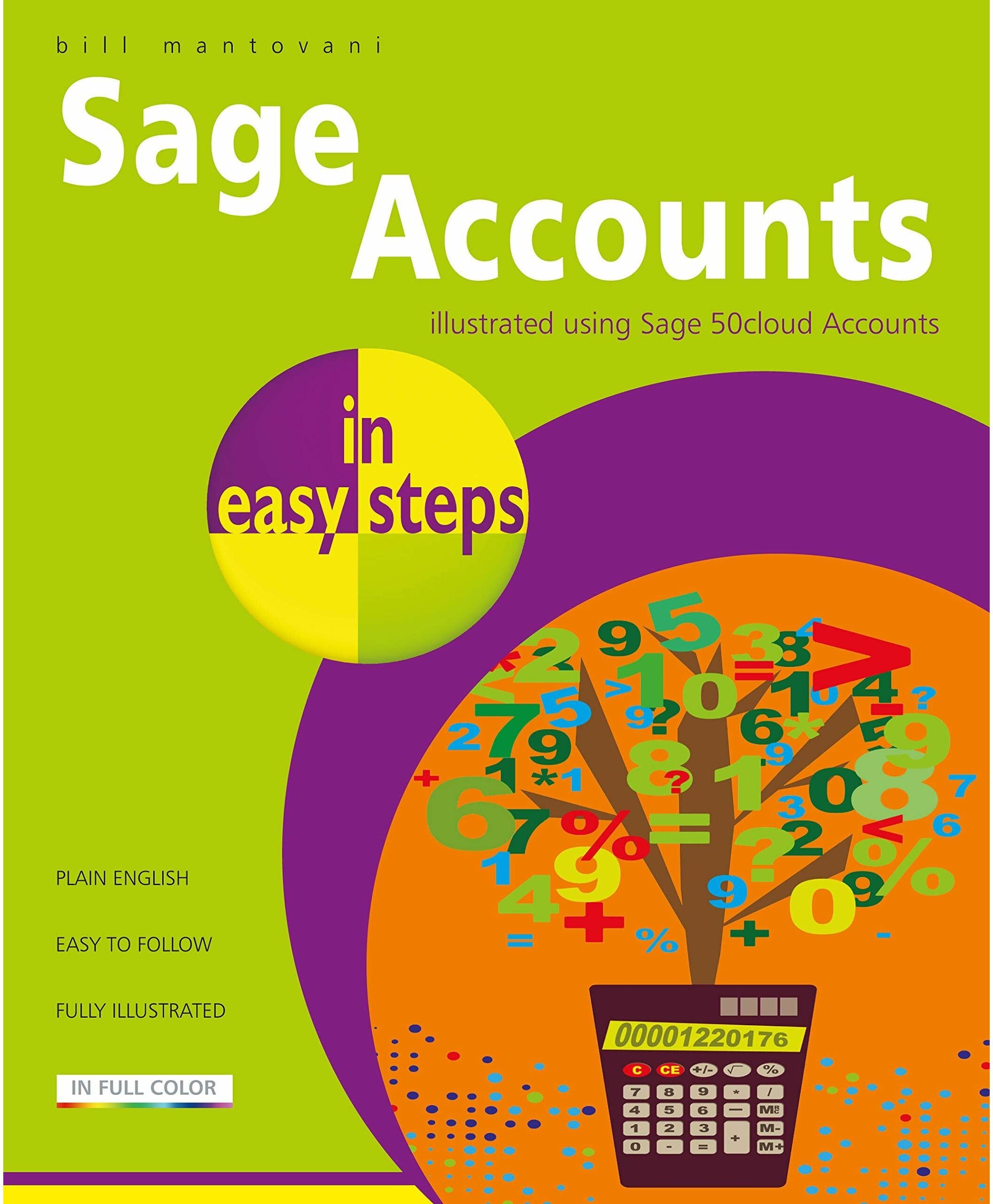
In Easy Steps Limited Sage Accounts in easy steps: illustrated using Sage 50cloud by Bill MantovaniSage Accounts is the UK's market-leading accounts software. It lets you manage your day-to-day finances, customers, suppliers and VAT and keeps your finger on the pulse of your business. Sage Accounts in easy steps uses detailed images and easy-to-follow instructions, showing you how to quickly get to grips with the new features of this leading accounts software. This definitive guide clarifies everything from basic recording keeping to utilising Sage as an information-bank for making crucial business decisions. Areas covered include: Setting up Sage, entering debtors and creditors Producing purchase/sales orders and invoices Bank account reconciliation Stock management, including Bill of Materials Important month and year end procedures Processing the VAT return and e-Submission Generating invaluable management reports Sage Accounts in easy steps is ideal for non-accountants using Sage for the first time, or just needing to grasp the new key features all in easy steps! Illustrated using Sage 50cloud Table of Contents Getting Started The Customer Ledger The Supplier Ledger The Nominal Ledger The Bank Products Invoices Processing Sales Orders Purchase Orders Financial Reporting Fixed Assets The Report Designer Opening Balances Data Management Task Management5,95 £*Shipping: 2,99 £Secure redirect to the provider
-
HMRC Series By Juno Dawson 3 Books Collection Set - Fiction - Paperback HarperCollins PublishersTitles in this set: 1. Her Majesty’s Royal Coven 2. The Shadow Cabinet 3. Queen B Description: Her Majesty’s Royal Coven This Is One Government Department You Don’t Want To Mess With. Hidden among us is a secret coven of witches. Know has Her Majesty’s Royal Coven,they protect the crown and country from magical forces and otherworldly evil. But their greatest enemy will come from within… There are whisperings of a prophecy that will bring the coven to its knees, and four best friends are about to be caught at the centre. Life as a modern witch was never simple … but now it’s about to get apocalyptic. The Shadow Cabinet All is not as it seems within the halls of Her Majesty’s Royal Coven… Despite thinking they’ve thwarted the prophecy, the witches are still reeling from the events of the past few months. Ciara now occupies her twin sister’s body as she prepares to take on the role of High Priestess. But why are the sinister government agents of the Shadow Cabinet so invested in her coronation? And then there’s the small matter of Dabney Hale: freshly escaped from Grierlings prison, he’s on the hunt for a mythical object that will give him unimaginable power. Leonie’s brother is on the trail, but doesn’t know the danger he now faces, and so she sets off to bring him home and bring Hale to justice. Meanwhile, Theo and Holly are left to their own devices. Theo to work out how her miraculous transformation took place and Holly to discover what’s going on with her mum and dad. Elle’s Instagram-perfect world is about to come crashing down in the most terrifying way. Queen B It’s 1536 and the Queen has been beheaded. Lady Grace Fairfax, witch, knows that something foul is at play – that someone had betrayed Anne Boleyn and her coven. Wild with the loss of their leader – and her lover, a secret that if spilled could spell Grace’s own end – she will do anything in her power to track down the traitor. But there’s more at stake than revenge: it was one of their own, a witch, that betrayed them, and Grace isn’t the only one looking for her. King Henry VIII has sent witchfinders after them, and they’re organized like they’ve never been before under his new advisor, the impassioned Sir Ambrose Fulke, a cold man blinded by his faith. His cruel reign could mean the end of witchkind itself. If Grace wants to find her revenge and live, she will have to do more than disappear. She will have to be reborn. In this gripping, propulsive, sultry novella, Juno Dawson takes us back to the bloody beginnings of Her Majesty’s Royal Coven to show us the strength, steel and sacrifice it takes to make a sisterhood. Feature Specification Author Juno Dawson Books Included Her Majesty's Royal Coven, The Shadow Cabinet, Future Perfect Format Paperback Collection Target Audience Adult / New Adult (Ages 16+) Publisher Harper Voyager (HarperCollins) Genre Contemporary Fantasy / Urban Fantasy Key Themes Witchcraft, Sisterhood, British Politics, LGBTQ+ Identity 2026 Context Established...22,99 £*Shipping: 2,99 £Secure redirect to the provider
-
What are income statement accounts?
Income statement accounts are a category of accounts in a company's financial records that track revenues, expenses, gains, and losses over a specific period. These accounts provide a summary of the company's financial performance during that time frame, showing whether the company has generated a profit or incurred a loss. Examples of income statement accounts include sales revenue, cost of goods sold, operating expenses, interest income, and other income or expenses. **
-
What are asset and income statement accounts?
Asset and income statement accounts are two types of accounts used in accounting to track a company's financial transactions. Asset accounts represent the resources owned by the company, such as cash, inventory, and equipment. Income statement accounts, on the other hand, track the company's revenues, expenses, and net income over a specific period of time. These accounts are essential for understanding a company's financial position and performance. **
-
When do you post to the income statement accounts and when to the balance sheet accounts?
Transactions that affect revenues and expenses are posted to the income statement accounts. These include items such as sales, operating expenses, and interest income. On the other hand, transactions that impact assets, liabilities, and equity are posted to the balance sheet accounts. Examples include cash, accounts receivable, accounts payable, and owner's equity. **
-
Are all expense accounts debit accounts?
No, not all expense accounts are debit accounts. Expense accounts can be either debit or credit accounts, depending on the accounting system being used. In a single-entry accounting system, expense accounts are typically debit accounts, while in a double-entry accounting system, expense accounts can be either debit or credit accounts depending on the nature of the expense. For example, in a double-entry system, some expenses like rent and utilities are recorded as debit expenses, while others like sales discounts and returns are recorded as credit expenses. **
Similar search terms for Accounts
-
Scholastic Next Step Guided Reading Assessment, K-2Developed by leading literacy experts Jan Richardson, Ph.D., and Maria Walther, Ed.D., Next Step Guided Reading Assessment uses Richardson's proven Assess-Decide-Guide teaching system to pinpoint students' reading level and target instructional next...489,00 $*Shipping: 0,00 $Secure redirect to the provider
-
OXFORD UNIVERSITY PRESS Bond 11+ Maths English Verbal Non-Verbal Reasoning Assessment Practice 5-6 years 4 Books Set (Bond Assessment Papers)Bond 11+ English; Maths; Non-verbal Reasoning; Verbal Reasoning Assessment Practice 4 Books Set (Age 5-6) The pack includes the following 4 books (Bond 11 Plus books) Bond 11+ Maths Assessment Practice Ages 5-6 Bond Maths Assessment Practice for 5-6 years are topic-based practice questions that set the foundation for success in SATs; common entrance or 11+ exams. They have been written to cover the core National Curriculum skills and cover the question types used in 11+ exams; building the skills and confidence for exam success. Bond 11+ English Assessment Practice Ages 5-6 Bond English Assessment Practice for 5-6 years are topic-based practice questions that set the foundation for success in SATs; common entrance or 11+ exams. They have been written to cover the core National Curriculum skills and cover the question types used in 11+ exams; building the skills and confidence for exam success Bond 11+ Verbal Reasoning Assessment Practice Ages 5-6 Bond Verbal Reasoning Assessment Practice for 5-6 years introduces children to verbal reasoning problem-solving skills; encouraging thinking skills and providing early preparation for Common Entrance and 11+ exams. Bond 11+ Non-Verbal Reasoning Assessment Practice Ages 5-6 Bond Non-verbal Reasoning Assessment Practice for 5-6 years introduces children to non-verbal reasoning problem-solving skills; encouraging thinking skills and providing early preparation for Common Entrance and 11+ exams.14,40 £*Shipping: 2,99 £Secure redirect to the provider
-
OXFORD UNIVERSITY PRESS Bond 11+ Maths English Verbal Non-Verbal Reasoning Assessment Practice 6-7 years 4 Books Set (Bond Assessment Papers)Bond 11+ Maths English Verbal Non-Verbal Reasoning Assessment Practice 6-7 years 4 Books Set (Bond Assessment Papers) Year 2 Developed and written by experienced tutors, Bond 11+ Assessment Practice Books offer exam-style practice questions, perfect for preparing for the GL 11+ exam and other selective school tests, with full answer explanations in a removable booklet. Bond 11+ English Assessment Practice Age 6-7: Covers all of the core 11+ English exam topics including comprehension, spelling, sentences, punctuation, and grammar Bond 11+ Maths Assessment Practice Age 6-7: Covers a wide variety of maths topics including place value, multiplication and division, fractions, shapes, measurement, and diagrams Bond 11+ Non-verbal Reasoning Assessment Practice Age 6-7: Covers a wide variety of non-verbal reasoning topics including shapes, angles and rotation, similarities, sequences, reflections, and grids Bond 11+ Verbal Reasoning Assessment Practice Age 6-7: Covers a wide variety of verbal reasoning topics including word meanings, word connections, missing letters, patterns and sequences, anagrams, and codes15,99 £*Shipping: 2,99 £Secure redirect to the provider
-
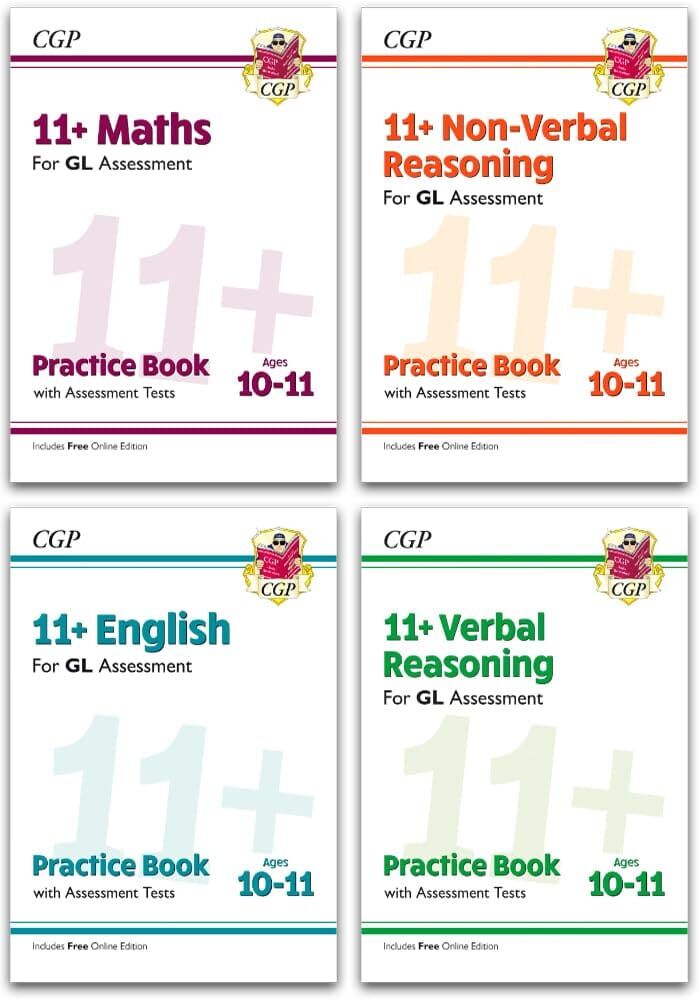
CGP 11+ Practice Book & Assessment Tests Bundle (for GL Assessment) 4 Books Set - Ages 10-11 - Paperback (Includes Free Online Edition) Coordination Group Publications Ltd (CGP)Titles in this Set: 1. 11+ GL Verbal Reasoning Practice Book & Assessment Tests 2. 11+ GL Non-Verbal Reasoning Practice Book & Assessment Tests 3. 11+ GL Maths Practice Book & Assessment Tests 4. 11+ GL English Practice Book & Assessment Tests Description: 11+ GL Verbal Reasoning Practice Book & Assessment Tests With its huge range of Verbal Reasoning questions for ages 10-11, this book is an excellent way to prepare for the 11+ test and other selective entrance exams. The first section of the book focuses on one topic at a time to help children gain understanding and confidence. This is followed by six realistic Assessment Tests to improve their speed and accuracy across a wide range of questions. And if they get stuck or go wrong, the detailed answers at the back of the book make it easy to understand the reasoning behind the questions. 11+ GL Non-Verbal Reasoning Practice Book & Assessment Tests Looking for extra-challenging practice for 11+ Verbal Reasoning? This book is packed with a wide range of practice questions set at the level of the trickiest 11+ questions — and beyond! The first part of the book focuses on one question type at a time to help children master the key skills needed for the GL test, including Comprehension, with a wide range of extra-tricky practice questions set at the very top level of the 11+ and beyond, so they’ll be ready for anything that gets thrown at them. The second part contains a selection of realistic Assessment Tests, with the later tests being even trickier than the real 11+. And if they get stuck, detailed answers make it easy to understand the reasoning behind the questions. 11+ GL Maths Practice Book & Assessment Tests Perfect for children aged 10-11 preparing for 11+ Maths and other selective entrance exams, this book contains a huge range of questions at the level of the final tests. The first section of the book focuses on one topic at a time to help children gain understanding and confidence. This is followed by four realistic Assessment Tests to improve their speed and accuracy across a wide range of questions. And if they get stuck or go wrong, the detailed answers at the back of the book make it easy to understand the reasoning behind the questions. 11+ GL English Practice Book & Assessment Tests Ideal for preparation in the run-up to the 11+ English test and other selective entrance exams, this book contains a huge range of questions at the level of the final tests. The first section of the book focuses on one topic at a time to help children gain understanding and confidence. This is followed by six realistic Assessment Tests to improve their speed and accuracy across a wide range of questions. And if they get stuck or go wrong, the detailed answers at the back of the book make it easy to understand the reasoning behind the questions.28,99 £*Shipping: 2,99 £Secure redirect to the provider
-
When do you post to the income statement accounts and when do you post to the balance sheet accounts?
You post transactions to income statement accounts when recording revenues and expenses that relate to a specific accounting period, such as sales revenue or salaries expense. These accounts help determine the net income or loss for the period. On the other hand, you post transactions to balance sheet accounts when recording assets, liabilities, and equity, which represent the financial position of the company at a specific point in time. Balance sheet accounts include assets like cash and inventory, liabilities like accounts payable, and equity accounts like retained earnings. **
-
Are expense and revenue accounts always active accounts?
Expense and revenue accounts are considered temporary or nominal accounts, which means they are closed at the end of each accounting period to the retained earnings account. Therefore, they are not considered active accounts in the same way that asset, liability, and equity accounts are. Expense and revenue accounts are used to track the company's income and expenses over a specific period, and their balances are transferred to the income statement to calculate the net income or loss for that period. **
-
What are bank accounts and postal checking accounts?
Bank accounts are financial accounts held at a financial institution, such as a bank, that allow individuals to deposit and withdraw money, make payments, and earn interest on their deposits. These accounts typically come with a range of services, such as online banking and debit cards. Postal checking accounts, on the other hand, are similar to bank accounts but are offered by postal services or post offices. They provide similar services as bank accounts, allowing individuals to manage their money and make transactions. **
-
What are bank accounts and post-check accounts?
Bank accounts are financial accounts held by individuals or businesses at a financial institution, such as a bank, where money can be deposited, withdrawn, and managed. These accounts typically offer services such as debit cards, online banking, and the ability to earn interest on deposited funds. Post-check accounts are a type of bank account that allows the account holder to write checks against the account balance, which can be cashed or deposited by the recipient. These accounts are commonly used for making payments and managing finances. **
* All prices are inclusive of VAT and, if applicable, plus shipping costs. The offer information is based on the details provided by the respective shop and is updated through automated processes. Real-time updates do not occur, so deviations can occur in individual cases. ** Note: Parts of this content were created by AI.