Buy paytaxes.eu ?
We are moving the project
paytaxes.eu .
Are you interested in purchasing the domain
paytaxes.eu ?
domain@kv-gmbh.de · 0541-91531010
Buy paytaxes.eu ?
How is the stomach protected from self-digestion?
The stomach is protected from self-digestion by a thick layer of mucus that lines the stomach walls. This mucus layer acts as a barrier, preventing the stomach acid and enzymes from damaging the stomach lining. Additionally, the stomach cells are constantly regenerating to replace any damaged cells, further protecting the stomach from self-digestion. The lower esophageal sphincter also helps prevent stomach acid from flowing back into the esophagus, reducing the risk of self-digestion. **
Which foods are good for digestion or stimulate digestion?
Foods that are high in fiber, such as fruits, vegetables, whole grains, and legumes, are good for digestion as they help to promote regular bowel movements and prevent constipation. Additionally, fermented foods like yogurt, kefir, and sauerkraut contain beneficial probiotics that can help maintain a healthy balance of gut bacteria and aid in digestion. Foods with natural enzymes, such as pineapple and papaya, can also stimulate digestion and help the body break down and absorb nutrients more efficiently. Finally, staying hydrated with plenty of water is essential for maintaining healthy digestion. **


Similar search terms for Digestion
Top-Angebote
Products related to Digestion:
-
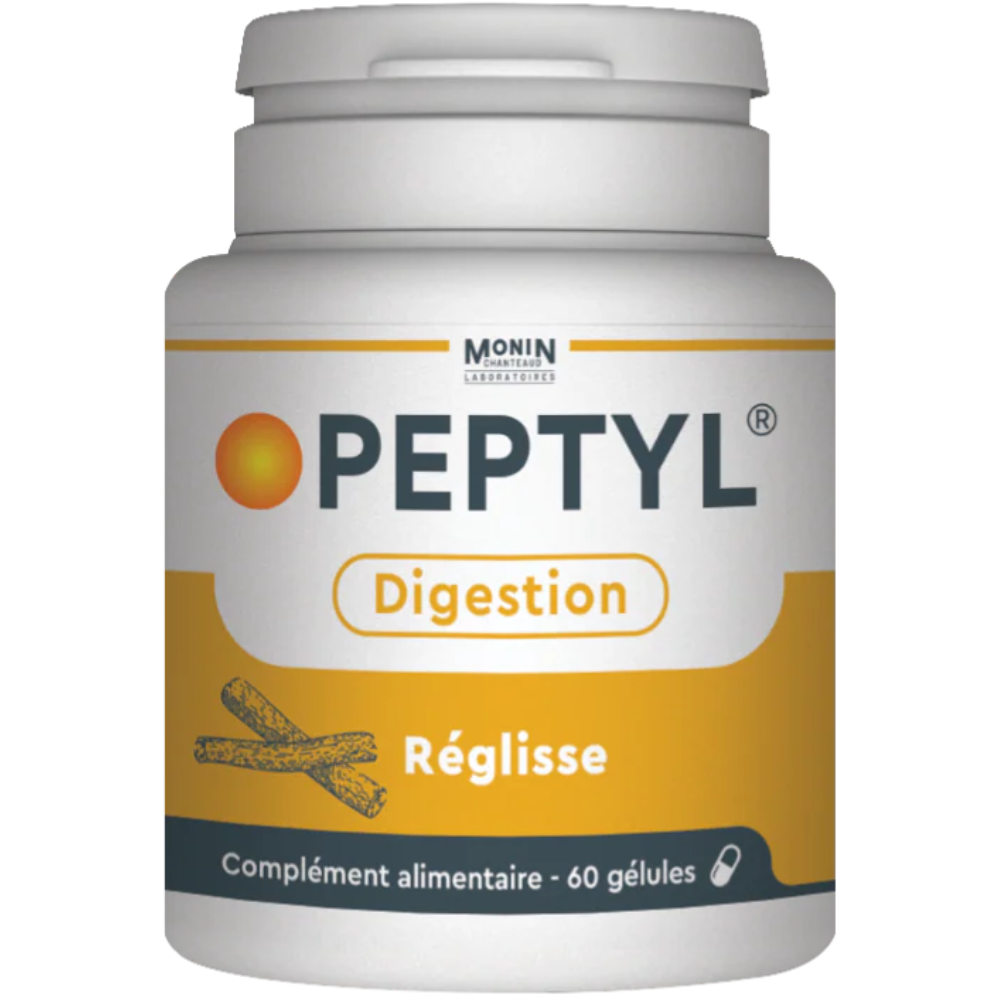
Monin Chanteaud Laboratoires Peptyl Digestion Food Supplement 60 caps.A food supplement. Soothe digestive discomfort naturally with Peptyl ® Digestion Food Supplement, the innovative solution for gastrointestinal well-being. Supports digestive and gastrointestinal health. Reduces stomach discomfort. Safe, well-balanced formula. No blood pressure side effects. Deglycyrrhizinated Licorice Extract (DGL): Soothes and protects stomach mucosa, promoting digestive comfort.12,01 £*Shipping: 5,34 £Secure redirect to the provider
-
Slow Feeder Puzzle Dog Bowl For Healthy Eating And Digestion blueHelp your dog enjoy calmer healthier mealtimes with this interactive slow feeder dog bowl designed to reduce fast eating and improve digestion. The puzzle style interior encourages dogs to eat more slowly while providing mental stimulation that...34,98 $*Shipping: 0,00 $Secure redirect to the provider
-
Anti Gulping Slow Feeder Interactive Puzzle Bowl For Healthy Digestion greenImprove your pet's digestive health with our Professional AntiGulping Slow Feeder. Specifically designed to combat the habit of rapid eating, this interactive puzzle bowl features a specialized internal maze that forces pets to forage for their...58,97 $*Shipping: 0,00 $Secure redirect to the provider
-
Ergonomic Elevated Slow Feeder For Neck Protection & Healthy Digestion pinkPromote a healthier, more comfortable mealtime for your furry friend with a design that prioritizes their physical wellbeing. The Elevated Slow Eating Bowl is expertly crafted to solve two of the most common feeding issues: rapid eating and poor...42,97 $*Shipping: 0,00 $Secure redirect to the provider


-
What is digestion?
Digestion is the process by which the body breaks down food into smaller molecules that can be absorbed and used for energy and nutrients. It begins in the mouth with the mechanical and chemical breakdown of food, continues in the stomach where enzymes and acids further break down the food, and then moves to the small intestine where nutrients are absorbed into the bloodstream. The remaining waste is then passed to the large intestine for further processing before being eliminated from the body. **
-
How does digestion work?
Digestion is the process by which the body breaks down food into smaller molecules that can be absorbed and used for energy and nutrients. It begins in the mouth, where enzymes in saliva start breaking down carbohydrates. The food then travels to the stomach, where it is mixed with stomach acid and enzymes to further break it down. From there, the partially digested food moves to the small intestine, where enzymes from the pancreas and bile from the liver continue to break down the food into nutrients that can be absorbed into the bloodstream. Any remaining waste is then passed to the large intestine for further processing before being eliminated from the body. **
-
Does coffee disrupt digestion?
Coffee can disrupt digestion for some people due to its acidic nature and its ability to stimulate the production of stomach acid. This can lead to symptoms such as heartburn, acid reflux, and stomach discomfort. Additionally, the caffeine in coffee can act as a diuretic, which may lead to increased urination and potentially disrupt the balance of fluids in the body. However, the effects of coffee on digestion can vary from person to person, and some individuals may not experience any negative effects. It's important to pay attention to how your body responds to coffee and to make adjustments as needed. **
-
By which mechanisms does the stomach protect itself from self-digestion?
The stomach protects itself from self-digestion through several mechanisms. One of the main mechanisms is the production of a thick layer of mucus that lines the stomach walls, acting as a physical barrier between the stomach lining and the acidic digestive juices. Additionally, the stomach lining contains cells that secrete bicarbonate, which helps to neutralize the acidic environment and prevent damage to the stomach tissue. The stomach also has a rapid turnover of its lining cells, allowing damaged cells to be quickly replaced. Finally, the stomach has tight junctions between its cells to prevent the leakage of digestive enzymes into the surrounding tissue. **

Is oatmeal good for digestion?
Yes, oatmeal is good for digestion because it is high in soluble fiber, which helps to regulate bowel movements and promote a healthy digestive system. The fiber in oatmeal also helps to keep you feeling full and satisfied, which can aid in weight management and overall digestive health. Additionally, oatmeal contains beta-glucans, a type of soluble fiber that has been shown to have prebiotic effects, promoting the growth of beneficial bacteria in the gut. **
How does fat digestion work?
Fat digestion begins in the mouth where lingual lipase starts breaking down fats. Once in the stomach, gastric lipase continues the process. The majority of fat digestion occurs in the small intestine, where bile from the gallbladder emulsifies fats and pancreatic lipase breaks them down into fatty acids and glycerol. These smaller molecules are then absorbed into the bloodstream through the intestinal lining for energy or storage. **
Top-Angebote
Products related to Digestion:
-
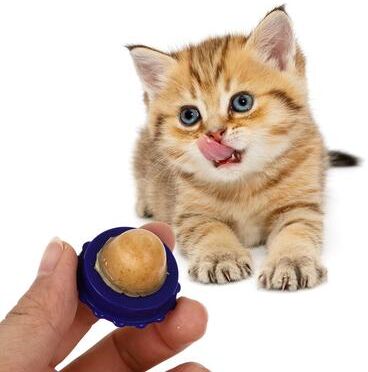
PurrFresh Catnip Hairball Relief Lick Ball Treat For Digestion, Hydration & Play PurrFresh Catnip Hairball Relief Lick Ball Treat For Digestion, Hydration & PlayGive your cat a fun and rewarding way to stay happy, active, and healthy. This catnip ball combines a tasty lickable treat with natural ingredients that encourage play, support digestion, and help reduce hairball buildup. Designed for curious cats...41,97 $*Shipping: 0,00 $Secure redirect to the provider
-
Ergonomic Elevated Slow Feeder For Neck Protection & Healthy Digestion bluePromote a healthier, more comfortable mealtime for your furry friend with a design that prioritizes their physical wellbeing. The Elevated Slow Eating Bowl is expertly crafted to solve two of the most common feeding issues: rapid eating and poor...42,97 $*Shipping: 0,00 $Secure redirect to the provider
-
Monin Chanteaud Laboratoires Peptyl Digestion Food Supplement 60 caps.A food supplement. Soothe digestive discomfort naturally with Peptyl ® Digestion Food Supplement, the innovative solution for gastrointestinal well-being. Supports digestive and gastrointestinal health. Reduces stomach discomfort. Safe, well-balanced formula. No blood pressure side effects. Deglycyrrhizinated Licorice Extract (DGL): Soothes and protects stomach mucosa, promoting digestive comfort.12,01 £*Shipping: 5,34 £Secure redirect to the provider
-
Slow Feeder Puzzle Dog Bowl For Healthy Eating And Digestion blueHelp your dog enjoy calmer healthier mealtimes with this interactive slow feeder dog bowl designed to reduce fast eating and improve digestion. The puzzle style interior encourages dogs to eat more slowly while providing mental stimulation that...34,98 $*Shipping: 0,00 $Secure redirect to the provider
-
How is the stomach protected from self-digestion?
The stomach is protected from self-digestion by a thick layer of mucus that lines the stomach walls. This mucus layer acts as a barrier, preventing the stomach acid and enzymes from damaging the stomach lining. Additionally, the stomach cells are constantly regenerating to replace any damaged cells, further protecting the stomach from self-digestion. The lower esophageal sphincter also helps prevent stomach acid from flowing back into the esophagus, reducing the risk of self-digestion. **
-
Which foods are good for digestion or stimulate digestion?
Foods that are high in fiber, such as fruits, vegetables, whole grains, and legumes, are good for digestion as they help to promote regular bowel movements and prevent constipation. Additionally, fermented foods like yogurt, kefir, and sauerkraut contain beneficial probiotics that can help maintain a healthy balance of gut bacteria and aid in digestion. Foods with natural enzymes, such as pineapple and papaya, can also stimulate digestion and help the body break down and absorb nutrients more efficiently. Finally, staying hydrated with plenty of water is essential for maintaining healthy digestion. **
-
What is digestion?
Digestion is the process by which the body breaks down food into smaller molecules that can be absorbed and used for energy and nutrients. It begins in the mouth with the mechanical and chemical breakdown of food, continues in the stomach where enzymes and acids further break down the food, and then moves to the small intestine where nutrients are absorbed into the bloodstream. The remaining waste is then passed to the large intestine for further processing before being eliminated from the body. **
-
How does digestion work?
Digestion is the process by which the body breaks down food into smaller molecules that can be absorbed and used for energy and nutrients. It begins in the mouth, where enzymes in saliva start breaking down carbohydrates. The food then travels to the stomach, where it is mixed with stomach acid and enzymes to further break it down. From there, the partially digested food moves to the small intestine, where enzymes from the pancreas and bile from the liver continue to break down the food into nutrients that can be absorbed into the bloodstream. Any remaining waste is then passed to the large intestine for further processing before being eliminated from the body. **
Similar search terms for Digestion
-
Anti Gulping Slow Feeder Interactive Puzzle Bowl For Healthy Digestion greenImprove your pet's digestive health with our Professional AntiGulping Slow Feeder. Specifically designed to combat the habit of rapid eating, this interactive puzzle bowl features a specialized internal maze that forces pets to forage for their...58,97 $*Shipping: 0,00 $Secure redirect to the provider
-
Ergonomic Elevated Slow Feeder For Neck Protection & Healthy Digestion pinkPromote a healthier, more comfortable mealtime for your furry friend with a design that prioritizes their physical wellbeing. The Elevated Slow Eating Bowl is expertly crafted to solve two of the most common feeding issues: rapid eating and poor...42,97 $*Shipping: 0,00 $Secure redirect to the provider
-
Ergonomic Elevated Slow Feeder For Neck Protection & Healthy Digestion greenPromote a healthier, more comfortable mealtime for your furry friend with a design that prioritizes their physical wellbeing. The Elevated Slow Eating Bowl is expertly crafted to solve two of the most common feeding issues: rapid eating and poor...42,97 $*Shipping: 0,00 $Secure redirect to the provider
-
Happy Pet Pantry PurrFresh Catnip Hairball Relief Lick Ball Treat For Digestion, Hydration & Play PurrFresh Catnip Hairball Relief Lick Ball Treat For Digestion, Hydration & PlayGive your cat a fun and rewarding way to stay happy, active, and healthy. This catnip ball combines a tasty lickable treat with natural ingredients that encourage play, support digestion, and help reduce hairball buildup. Designed for curious cats...41,97 $*Shipping: 0,00 $Secure redirect to the provider
-
Does coffee disrupt digestion?
Coffee can disrupt digestion for some people due to its acidic nature and its ability to stimulate the production of stomach acid. This can lead to symptoms such as heartburn, acid reflux, and stomach discomfort. Additionally, the caffeine in coffee can act as a diuretic, which may lead to increased urination and potentially disrupt the balance of fluids in the body. However, the effects of coffee on digestion can vary from person to person, and some individuals may not experience any negative effects. It's important to pay attention to how your body responds to coffee and to make adjustments as needed. **
-
By which mechanisms does the stomach protect itself from self-digestion?
The stomach protects itself from self-digestion through several mechanisms. One of the main mechanisms is the production of a thick layer of mucus that lines the stomach walls, acting as a physical barrier between the stomach lining and the acidic digestive juices. Additionally, the stomach lining contains cells that secrete bicarbonate, which helps to neutralize the acidic environment and prevent damage to the stomach tissue. The stomach also has a rapid turnover of its lining cells, allowing damaged cells to be quickly replaced. Finally, the stomach has tight junctions between its cells to prevent the leakage of digestive enzymes into the surrounding tissue. **
-
Is oatmeal good for digestion?
Yes, oatmeal is good for digestion because it is high in soluble fiber, which helps to regulate bowel movements and promote a healthy digestive system. The fiber in oatmeal also helps to keep you feeling full and satisfied, which can aid in weight management and overall digestive health. Additionally, oatmeal contains beta-glucans, a type of soluble fiber that has been shown to have prebiotic effects, promoting the growth of beneficial bacteria in the gut. **
-
How does fat digestion work?
Fat digestion begins in the mouth where lingual lipase starts breaking down fats. Once in the stomach, gastric lipase continues the process. The majority of fat digestion occurs in the small intestine, where bile from the gallbladder emulsifies fats and pancreatic lipase breaks them down into fatty acids and glycerol. These smaller molecules are then absorbed into the bloodstream through the intestinal lining for energy or storage. **
* All prices are inclusive of VAT and, if applicable, plus shipping costs. The offer information is based on the details provided by the respective shop and is updated through automated processes. Real-time updates do not occur, so deviations can occur in individual cases. ** Note: Parts of this content were created by AI.