Buy paytaxes.eu ?
We are moving the project
paytaxes.eu .
Are you interested in purchasing the domain
paytaxes.eu ?
domain@kv-gmbh.de · 0541-91531010
Buy paytaxes.eu ?
Is linguistic design the same as linguistic devices?
No, linguistic design and linguistic devices are not the same. Linguistic design refers to the overall structure and organization of language, including factors such as syntax, semantics, and discourse patterns. On the other hand, linguistic devices are specific techniques or tools used within language to achieve certain effects, such as metaphors, similes, or alliteration. While linguistic devices are a part of linguistic design, they are just one component of the broader concept. **
What are non-linguistic signs and linguistic signs?
Non-linguistic signs are symbols or signals that convey meaning without the use of language, such as traffic lights, facial expressions, or body language. These signs rely on visual cues or gestures to communicate information. On the other hand, linguistic signs are symbols that represent specific meanings within a particular language system, such as words, letters, or numbers. Linguistic signs rely on the conventions and rules of language to convey meaning. **


Similar search terms for Linguistic
Top-Angebote
Products related to Linguistic:
-
White Hebrew Alphabet Stickers Transparent Keyboard Overlay High Yield Linguistic Interaction Hub White Hebrew Alphabet Stickers Transparent Keyboard Overlay High Yield Linguistic Interaction HubAchieve communication optimization with these Precision Hebrew Keyboard Stickers. Specifically engineered for structural transparency, this highperformance technical tool acts as a vital tool for multilingual efficiency, neutralizing the limitations...30,97 $*Shipping: 0,00 $Secure redirect to the provider
-
Zaffre Guilty by Definition: The instant Sunday Times bestselling linguistic mystery from Britain's wordsmith, Susie Dent (Clarendon Lexicographers)A coded letter. A missing woman. A truth waiting to be found. When an anonymous letter is delivered to the Clarendon English Dictionary office, it becomes rapidly clear that this is not the usual word-related enquiry. Instead, the letter hints at sinister events linked to a particular year. For editor Martha Thornhill, the date can mean only one thing: the summer her brilliant older sister Charlie went missing. Ten years on, Martha and her family are no closer to unravelling the mystery of Charlie's disappearance - until now. As more letters arrive, Martha and her team follow the linguistic clues to a troubling truth. It seems Charlie was keeping a powerful secret, and that someone is desperate to keep it well and truly buried. Guilty by Definition is a love letter not only to language but to the city of Oxford, wrapped within an intriguing mystery of a missing woman and considering the emotional aftershocks of her disappearance on those left behind.5,99 £*Shipping: 2,99 £Secure redirect to the provider


-
What are good examples of linguistic and non-linguistic images?
Good examples of linguistic images include descriptive language that paints a vivid picture in the reader's mind, such as "the sun hung low in the sky, casting a warm golden glow over the fields." Non-linguistic images can include photographs, paintings, or other visual art that convey a specific mood or message without the use of words. For example, a photograph of a stormy sea with dark, churning waves can evoke a sense of danger and power without any accompanying text. Both linguistic and non-linguistic images can be powerful tools for communication and expression. **
-
What are linguistic peculiarities?
Linguistic peculiarities refer to unique or unusual features found in a language that set it apart from others. These can include specific grammar rules, pronunciation patterns, vocabulary choices, or cultural influences that shape the way a language is spoken or written. Linguistic peculiarities can vary widely from one language to another, making each language distinct and interesting in its own way. **
-
What are linguistic aspects?
Linguistic aspects refer to the different components of language that are studied in linguistics. These aspects include phonetics (the study of speech sounds), phonology (the study of sound patterns), morphology (the study of word structure), syntax (the study of sentence structure), semantics (the study of meaning), and pragmatics (the study of language use in context). Understanding these linguistic aspects helps us analyze and interpret language in a systematic way. **
-
What is linguistic redundancy?
Linguistic redundancy refers to the use of unnecessary or repetitive words, phrases, or information in communication. It can often be seen as a form of over-explaining or providing more information than is needed to convey a message. While some level of redundancy can help clarify communication and ensure understanding, excessive redundancy can lead to inefficiency and confusion in language. Overall, linguistic redundancy can be both a helpful tool for emphasizing key points and a hindrance to clear and concise communication. **

What are linguistic features?
Linguistic features are the characteristics of language that help to distinguish one language from another or one dialect from another. These features can include phonological features (such as the sounds used in a language), morphological features (such as word formation and inflection), syntactic features (such as word order and sentence structure), and semantic features (such as the meaning of words and how they are used in context). Linguistic features are essential for understanding and analyzing language and are used by linguists to study and compare different languages and dialects. **
What are linguistic devices?
Linguistic devices are techniques and structures used in language to convey meaning, create emphasis, and evoke certain emotions or responses from the audience. These devices can include figurative language such as metaphors and similes, as well as rhetorical devices like repetition and parallelism. They are used by writers and speakers to enhance the impact and effectiveness of their communication, and can be found in various forms of literature, poetry, speeches, and everyday conversation. **
Top-Angebote
Products related to Linguistic:
-
"Hebrew Transparent" Keyboard Interface & Technical Ocular Linguistic Logic "Hebrew Transparent" Keyboard Interface & Technical Ocular Linguistic LogicInaugurate a powerful CommunicationSanctuary energy for your digital environment with the ultimate 2026 boutiqueintegrated input solution. The White Hebrew Keyboard Alphabet Stickers are the premier choice for creating a TechnicalModern or...32,97 $*Shipping: 0,00 $Secure redirect to the provider
-
Smart AI Linguistic Sunglasses And Audio Interface blackBreak down global barriers and modernize your eyewear with these Intelligent Real Time Translation Glasses. Engineered with an AI Assisted Communication Shield and a specialized Bluetooth 5.4 frame, these smart sunglasses are designed to provide a...74,97 $*Shipping: 0,00 $Secure redirect to the provider
-
White Hebrew Alphabet Stickers Transparent Keyboard Overlay High Yield Linguistic Interaction Hub White Hebrew Alphabet Stickers Transparent Keyboard Overlay High Yield Linguistic Interaction HubAchieve communication optimization with these Precision Hebrew Keyboard Stickers. Specifically engineered for structural transparency, this highperformance technical tool acts as a vital tool for multilingual efficiency, neutralizing the limitations...30,97 $*Shipping: 0,00 $Secure redirect to the provider
-
Zaffre Guilty by Definition: The instant Sunday Times bestselling linguistic mystery from Britain's wordsmith, Susie Dent (Clarendon Lexicographers)A coded letter. A missing woman. A truth waiting to be found. When an anonymous letter is delivered to the Clarendon English Dictionary office, it becomes rapidly clear that this is not the usual word-related enquiry. Instead, the letter hints at sinister events linked to a particular year. For editor Martha Thornhill, the date can mean only one thing: the summer her brilliant older sister Charlie went missing. Ten years on, Martha and her family are no closer to unravelling the mystery of Charlie's disappearance - until now. As more letters arrive, Martha and her team follow the linguistic clues to a troubling truth. It seems Charlie was keeping a powerful secret, and that someone is desperate to keep it well and truly buried. Guilty by Definition is a love letter not only to language but to the city of Oxford, wrapped within an intriguing mystery of a missing woman and considering the emotional aftershocks of her disappearance on those left behind.5,99 £*Shipping: 2,99 £Secure redirect to the provider
-
Is linguistic design the same as linguistic devices?
No, linguistic design and linguistic devices are not the same. Linguistic design refers to the overall structure and organization of language, including factors such as syntax, semantics, and discourse patterns. On the other hand, linguistic devices are specific techniques or tools used within language to achieve certain effects, such as metaphors, similes, or alliteration. While linguistic devices are a part of linguistic design, they are just one component of the broader concept. **
-
What are non-linguistic signs and linguistic signs?
Non-linguistic signs are symbols or signals that convey meaning without the use of language, such as traffic lights, facial expressions, or body language. These signs rely on visual cues or gestures to communicate information. On the other hand, linguistic signs are symbols that represent specific meanings within a particular language system, such as words, letters, or numbers. Linguistic signs rely on the conventions and rules of language to convey meaning. **
-
What are good examples of linguistic and non-linguistic images?
Good examples of linguistic images include descriptive language that paints a vivid picture in the reader's mind, such as "the sun hung low in the sky, casting a warm golden glow over the fields." Non-linguistic images can include photographs, paintings, or other visual art that convey a specific mood or message without the use of words. For example, a photograph of a stormy sea with dark, churning waves can evoke a sense of danger and power without any accompanying text. Both linguistic and non-linguistic images can be powerful tools for communication and expression. **
-
What are linguistic peculiarities?
Linguistic peculiarities refer to unique or unusual features found in a language that set it apart from others. These can include specific grammar rules, pronunciation patterns, vocabulary choices, or cultural influences that shape the way a language is spoken or written. Linguistic peculiarities can vary widely from one language to another, making each language distinct and interesting in its own way. **
Similar search terms for Linguistic
-
HMRC Series By Juno Dawson 3 Books Collection Set - Fiction - Paperback HarperCollins PublishersTitles in this set: 1. Her Majesty’s Royal Coven 2. The Shadow Cabinet 3. Queen B Description: Her Majesty’s Royal Coven This Is One Government Department You Don’t Want To Mess With. Hidden among us is a secret coven of witches. Know has Her Majesty’s Royal Coven,they protect the crown and country from magical forces and otherworldly evil. But their greatest enemy will come from within… There are whisperings of a prophecy that will bring the coven to its knees, and four best friends are about to be caught at the centre. Life as a modern witch was never simple … but now it’s about to get apocalyptic. The Shadow Cabinet All is not as it seems within the halls of Her Majesty’s Royal Coven… Despite thinking they’ve thwarted the prophecy, the witches are still reeling from the events of the past few months. Ciara now occupies her twin sister’s body as she prepares to take on the role of High Priestess. But why are the sinister government agents of the Shadow Cabinet so invested in her coronation? And then there’s the small matter of Dabney Hale: freshly escaped from Grierlings prison, he’s on the hunt for a mythical object that will give him unimaginable power. Leonie’s brother is on the trail, but doesn’t know the danger he now faces, and so she sets off to bring him home and bring Hale to justice. Meanwhile, Theo and Holly are left to their own devices. Theo to work out how her miraculous transformation took place and Holly to discover what’s going on with her mum and dad. Elle’s Instagram-perfect world is about to come crashing down in the most terrifying way. Queen B It’s 1536 and the Queen has been beheaded. Lady Grace Fairfax, witch, knows that something foul is at play – that someone had betrayed Anne Boleyn and her coven. Wild with the loss of their leader – and her lover, a secret that if spilled could spell Grace’s own end – she will do anything in her power to track down the traitor. But there’s more at stake than revenge: it was one of their own, a witch, that betrayed them, and Grace isn’t the only one looking for her. King Henry VIII has sent witchfinders after them, and they’re organized like they’ve never been before under his new advisor, the impassioned Sir Ambrose Fulke, a cold man blinded by his faith. His cruel reign could mean the end of witchkind itself. If Grace wants to find her revenge and live, she will have to do more than disappear. She will have to be reborn. In this gripping, propulsive, sultry novella, Juno Dawson takes us back to the bloody beginnings of Her Majesty’s Royal Coven to show us the strength, steel and sacrifice it takes to make a sisterhood. Feature Specification Author Juno Dawson Books Included Her Majesty's Royal Coven, The Shadow Cabinet, Future Perfect Format Paperback Collection Target Audience Adult / New Adult (Ages 16+) Publisher Harper Voyager (HarperCollins) Genre Contemporary Fantasy / Urban Fantasy Key Themes Witchcraft, Sisterhood, British Politics, LGBTQ+ Identity 2026 Context Established...22,99 £*Shipping: 2,99 £Secure redirect to the provider
-
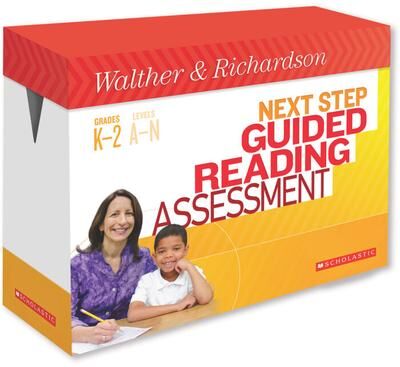
Scholastic Next Step Guided Reading Assessment, K-2Developed by leading literacy experts Jan Richardson, Ph.D., and Maria Walther, Ed.D., Next Step Guided Reading Assessment uses Richardson's proven Assess-Decide-Guide teaching system to pinpoint students' reading level and target instructional next...489,00 $*Shipping: 0,00 $Secure redirect to the provider
-
What are linguistic aspects?
Linguistic aspects refer to the different components of language that are studied in linguistics. These aspects include phonetics (the study of speech sounds), phonology (the study of sound patterns), morphology (the study of word structure), syntax (the study of sentence structure), semantics (the study of meaning), and pragmatics (the study of language use in context). Understanding these linguistic aspects helps us analyze and interpret language in a systematic way. **
-
What is linguistic redundancy?
Linguistic redundancy refers to the use of unnecessary or repetitive words, phrases, or information in communication. It can often be seen as a form of over-explaining or providing more information than is needed to convey a message. While some level of redundancy can help clarify communication and ensure understanding, excessive redundancy can lead to inefficiency and confusion in language. Overall, linguistic redundancy can be both a helpful tool for emphasizing key points and a hindrance to clear and concise communication. **
-
What are linguistic features?
Linguistic features are the characteristics of language that help to distinguish one language from another or one dialect from another. These features can include phonological features (such as the sounds used in a language), morphological features (such as word formation and inflection), syntactic features (such as word order and sentence structure), and semantic features (such as the meaning of words and how they are used in context). Linguistic features are essential for understanding and analyzing language and are used by linguists to study and compare different languages and dialects. **
-
What are linguistic devices?
Linguistic devices are techniques and structures used in language to convey meaning, create emphasis, and evoke certain emotions or responses from the audience. These devices can include figurative language such as metaphors and similes, as well as rhetorical devices like repetition and parallelism. They are used by writers and speakers to enhance the impact and effectiveness of their communication, and can be found in various forms of literature, poetry, speeches, and everyday conversation. **
* All prices are inclusive of VAT and, if applicable, plus shipping costs. The offer information is based on the details provided by the respective shop and is updated through automated processes. Real-time updates do not occur, so deviations can occur in individual cases. ** Note: Parts of this content were created by AI.